Meal Planning 101: A Beginner's Guide to Stress-Free Weekly Cooking
 By Eggcelllent
Meal planning can feel overwhelming at first, but it's one of the simplest habits you can adopt to transform your relationship with cooking. Whether you're trying to eat healthier, save money, or just stop staring into the fridge wondering what to make, a basic meal plan can change everything.
In this guide, we'll walk through what meal planning actually is, why it matters, and how to get started with a simple, stress-free approach that works for real life.
What Is Meal Planning?
Meal planning is the practice of deciding in advance what you'll eat for the upcoming days or week. It can be as simple as jotting down dinner ideas on a sticky note, or as structured as mapping out every meal and snack with a detailed grocery list.
The key idea is intentionality. Instead of making food decisions when you're already hungry and tired, you make them when you're calm and can think clearly. That small shift leads to better choices, less waste, and a lot less stress.
5 Benefits of Meal Planning
If you've been on the fence about trying it, here are five reasons meal planning is worth the effort:
- Save money. When you shop with a plan, you buy only what you need. No more impulse purchases or forgotten ingredients that go to waste.
- Reduce food waste. Planning portions and using overlapping ingredients means less food ends up in the trash.
- Eat healthier. When meals are planned ahead, you're far less likely to reach for takeout or ultra-processed convenience foods.
- Save time. A single planning session can eliminate the daily "what's for dinner?" scramble and cut down on last-minute grocery runs.
- Reduce stress. Knowing what's for dinner before 5 PM is a surprisingly powerful form of self-care.
How to Start Meal Planning in 5 Steps
You don't need a complicated system or a Pinterest-perfect spreadsheet. Here's a straightforward process anyone can follow.
Step 1: Assess Your Schedule
Before picking recipes, look at the week ahead. Which nights are busy? When do you have time to actually cook? Plan simpler meals (or leftovers) for hectic days and save new or involved recipes for when you have breathing room.
Step 2: Choose Your Recipes
Pick 3–5 dinner recipes for the week. That's it. You don't need to plan every single meal right away. Start with dinners, and if that goes well, expand to lunches or breakfasts later.
Look for recipes that share ingredients — for example, if one recipe uses fresh cilantro, find another that does too. This reduces waste and simplifies your grocery list.
Step 3: Make a Grocery List
Go through your chosen recipes and write down every ingredient you'll need. Check what you already have on hand, then organize the list by store section (produce, dairy, pantry, etc.) to make shopping faster.
Step 4: Prep What You Can
You don't need to cook everything in advance. Even small prep steps save time during the week:
- Wash and chop vegetables
- Cook grains like rice or quinoa
- Marinate proteins
- Portion out snacks
Even 30 minutes of weekend prep can make weeknight cooking feel effortless.
Step 5: Stay Flexible
A meal plan is a guide, not a contract. If you're not feeling Tuesday's recipe, swap it with Thursday's. The goal is to reduce decision fatigue, not create more rules. Give yourself permission to adjust as the week unfolds.
Beginner Meal Planning Tips
These practical tips will help you stick with meal planning long enough for it to become second nature:
- Start small. Plan just 3 dinners your first week. You can always scale up.
- Use what you know. Don't try 5 new recipes at once. Mix familiar favorites with one or two new ones.
- Embrace theme nights. Taco Tuesday, stir-fry Friday — recurring themes simplify decisions.
- Cook once, eat twice. Double a recipe and use leftovers for lunch the next day or freeze portions for later.
- Keep a running list. Note recipes your household enjoys. Over time you'll build a personal rotation that makes planning almost automatic.
- Set a planning day. Pick the same day each week (Sunday works for most people) to plan and shop. Consistency builds the habit.
How Eggcellent Makes Meal Planning Easier
One of the biggest barriers to meal planning is finding and organizing recipes. You watch an amazing cooking video, think "I should make that," and then completely forget about it by the time you sit down to plan your week.
That's exactly the problem Eggcellent solves.
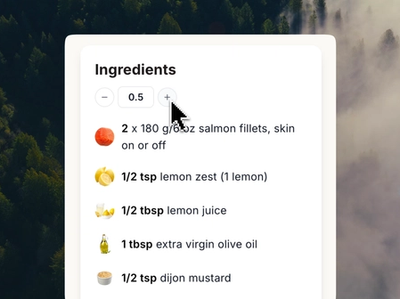
- Extract recipes from videos. Paste a YouTube link and Eggcellent uses AI to pull out the full recipe — ingredients, steps, and all. No more rewinding videos or scribbling notes.
- Build your digital cookbook. Save extracted recipes to your personal cookbook, organized by categories you create. When it's time to plan the week, everything is already in one place.
- Generate grocery lists instantly. Select the recipes you want to cook this week, and Eggcellent compiles a unified shopping list. No more cross-referencing five different recipe pages.
- Edit and personalize. Adjust ingredients, swap steps, and make each recipe your own before saving it.
Think of it as a bridge between the cooking content you love watching and the actual meals you put on the table.
Ingredients
- 2 cups flour
- 1 tbsp butter
- 3 eggs
- 1 tsp salt
- 2 cups milk
Instructions
Start planning your meals today
Sign Up Free
Create your free account—no credit card required
Copy Video URL
Find any cooking video on YouTube and copy its link
Extract & Save
Get a formatted recipe instantly
Meal planning doesn't have to be complicated. Start with a few dinners, stay flexible, and let tools like Eggcellent handle the recipe organization. Before you know it, the weekly "what's for dinner?" panic will be a thing of the past.
Ready to extract your first recipe?
Try Eggcellent today and turn YouTube cooking videos into formatted recipes in seconds.
Get Started FreeRelated Articles
How to Use Eggcellent's Meal Planner to Organize Your Weekly Cooking
Recipe Converter: How to Scale Any Recipe Up or Down

Best Video-to-Recipe Tools in 2026 (Turn Cooking Videos into Recipes)